ERP
How to Calculate the Time and Cost of Manual School Fee Reconciliation
A simple, reusable framework for measuring how much staff time goes into reconciling school fees, and where the rework comes from.
November 4, 2026
Quick Answer
To calculate the staff time spent on school fee reconciliation, multiply the number of payments that match cleanly by the minutes each takes to check, add the number of exceptions multiplied by the minutes each takes to investigate, convert the total to hours, and multiply by the loaded hourly cost of the people doing the work. The formula needs three inputs you can measure: payment volume, handling time and exception rate. Exceptions are usually a small share of payments but a large share of the time, so measuring them separately shows where the rework sits.
Key Takeaways
- Three measurable inputs drive the calculation: payment volume, handling time and exception rate.
- Exceptions usually take far more time per payment than clean matches, so they deserve their own line.
- Measure your own numbers. The figures in this guide are examples only, not benchmarks or promised savings.
It's the end of the month, and the fee ledger doesn't quite agree with the bank. Most payments matched without fuss. A handful didn't: a payment with no reference, one transfer covering two children, a part-payment, and a refund nobody had logged. Two people spend most of the next day on them.
Everyone in the finance team knows reconciliation takes a lot of time. Fewer can say how much, and that makes it hard to decide what is worth fixing. This guide gives you a formula to find out.
Why Does Manual Fee Reconciliation Take So Long?
Because families pay in many different ways, and the bank record doesn't always say who paid for what. A reference may be missing or mistyped. One payment may cover several children, or someone other than the account holder may pay. Each of those needs a person to work out where the money belongs.
None of this reflects a lack of care. Parent payment matching is detailed work, and a finance team that does it accurately is doing it well. The effort comes from the variety of the payments, not from any weakness in the process.
How Do You Calculate the Time and Cost of Manual Fee Reconciliation?
The framework has five steps. You need three inputs, plus a cost per hour:
- Count the payments per period: the number of payments to be reconciled in a typical month.
- Find the exception rate: the share of payments that don't match cleanly and need investigation.
- Time a clean match: the average minutes to check a payment that matches without trouble.
- Time an exception: the average minutes to investigate, correct and record one.
- Convert to hours and cost: add the minutes, divide by 60, then multiply by the loaded hourly cost.
As a formula: monthly hours = ((payments x (1 - exception rate) x minutes per clean match) + (payments x exception rate x minutes per exception)) divided by 60. Monthly cost is monthly hours multiplied by the loaded hourly cost, and annual cost is that figure multiplied by 12.
What Does the Calculation Look Like With Example Numbers?
The numbers below are illustrative only. They show how the formula works and are not a benchmark, an industry figure or a promised saving. Replace them with your own.
| Input | Example Value |
|---|---|
| Payments per month | 2,000 |
| Exception rate | 10% |
| Minutes to check a clean match | 1.5 |
| Minutes to resolve an exception | 12 |
| Loaded hourly cost of staff time | 40 |
| Step | Calculation | Result |
|---|---|---|
| Clean matches | 1,800 payments x 1.5 minutes | 2,700 minutes |
| Exceptions | 200 payments x 12 minutes | 2,400 minutes |
| Total time per month | 5,100 minutes divided by 60 | 85 hours |
| Cost per month | 85 hours x 40 | 3,400 |
| Cost per year | 3,400 x 12 (1,020 hours) | 40,800 |
In this example, exceptions are 10% of payments but nearly half of the time (2,400 of 5,100 minutes). That is the useful insight: the effort is concentrated in a small number of awkward payments.
The same formula also works for what-if questions. If the exception rate in the example were 5% instead of 10%, the time would be 2,850 minutes for clean matches and 1,200 for exceptions, or 67.5 hours a month, which is 17.5 hours less. That shows where the time sits. It is not a prediction of what any tool or process change will save.
Where Does the Rework Usually Come From?
Counting exceptions by type is more useful than counting them in total, because each type has a different fix. These are the most common sources:
| Source of Rework | Why It Takes Time | What to Count |
|---|---|---|
| Missing or wrong payment reference | Someone has to work out which family the payment belongs to. | Payments needing manual matching. |
| One payment covering several children or families | It has to be split correctly across accounts. | Split payments. |
| Part-payments and overpayments | The balance has to be explained and carried forward. | Part-payments and overpayments. |
| Payment from someone other than the account holder | The payer isn't obvious from the bank record. | Payments from unknown payers. |
| Duplicates and refunds | They need checking, reversing and communicating. | Duplicates and refunds. |
| Timing differences between gateway and bank | Totals don't agree on the day. | Days with unmatched balances. |
How Do You Measure Your Own Numbers?
- Count payments for the last three months: to find a typical monthly volume.
- Log exceptions by type for a sample period: a few weeks is enough to see the pattern.
- Time a sample of clean matches and exceptions: even rough timings are better than guesses.
- Include the related tasks: chasing families, correcting records, and preparing reports.
- Agree the loaded hourly cost with your finance lead: including salary and related costs.
- Repeat each quarter: so you can see whether anything is changing.
What Should You Do With the Result?
Start with the biggest exception type. If most of the rework comes from missing references, the fix may be a clearer payment reference and better communication to families. If it comes from split payments, it may be a billing structure question. The calculation tells you where to look, and the answer to what to change comes from the type of exception.
Now Imagine the Version That Works
Imagine most payments matching automatically because the reference travels with the invoice, so the team only sees the awkward few. The month-end conversation starts with a short list of exceptions instead of a day of checking, and the same formula shows the time falling over the following quarters.
That's the thinking behind TENOR, Feoda's fee billing, payments and receivables product built on Oracle NetSuite, which is designed to connect billing and payment matching in one workflow. If you would like to see how your current process compares, start with the calculation above, and then assess where your own time is going.
Frequently Asked Questions
Multiply clean-match payments by the minutes each takes, add exceptions multiplied by the minutes each takes, convert to hours, and multiply by the loaded hourly cost. Payment volume, handling time and exception rate are the three inputs to measure.
Related Articles
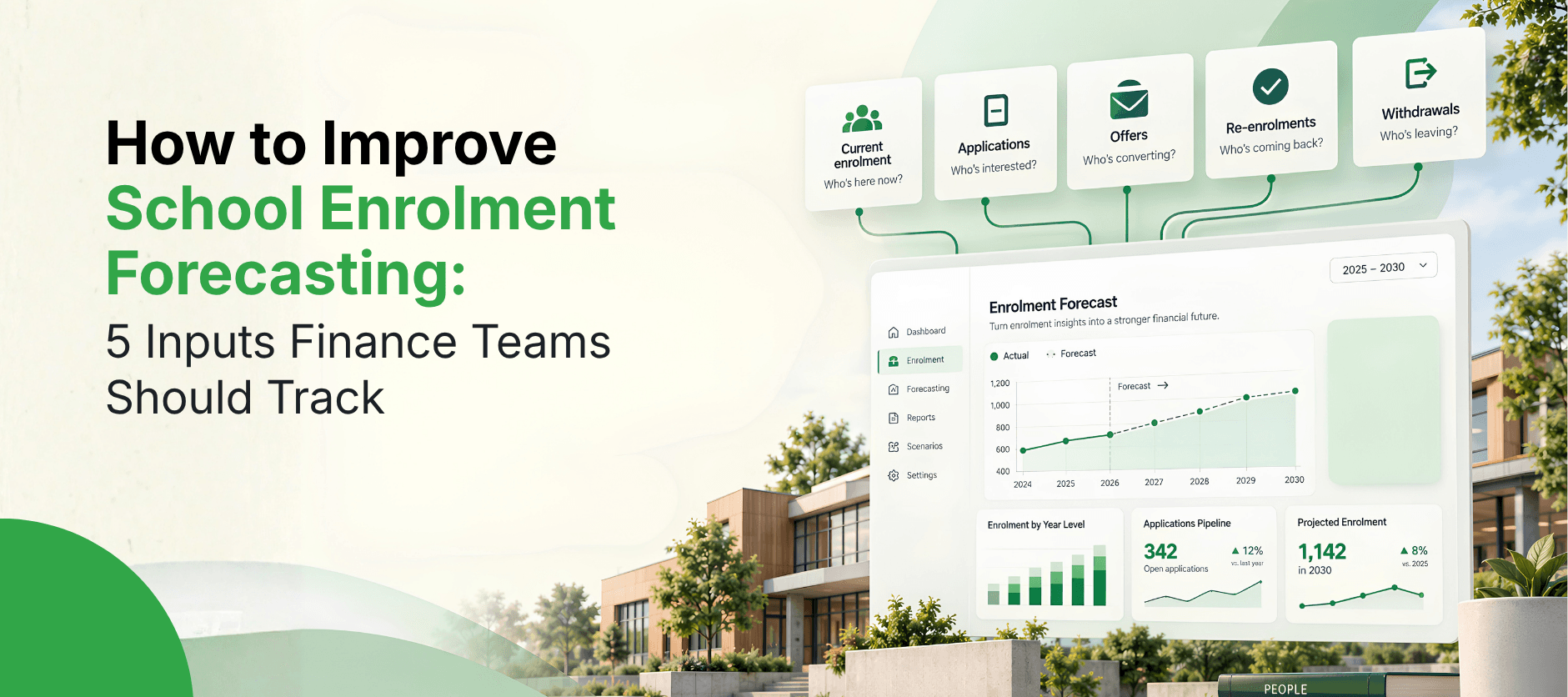
- ERPHow to Improve School Enrolment Forecasting: 5 Inputs Finance Teams Should Track
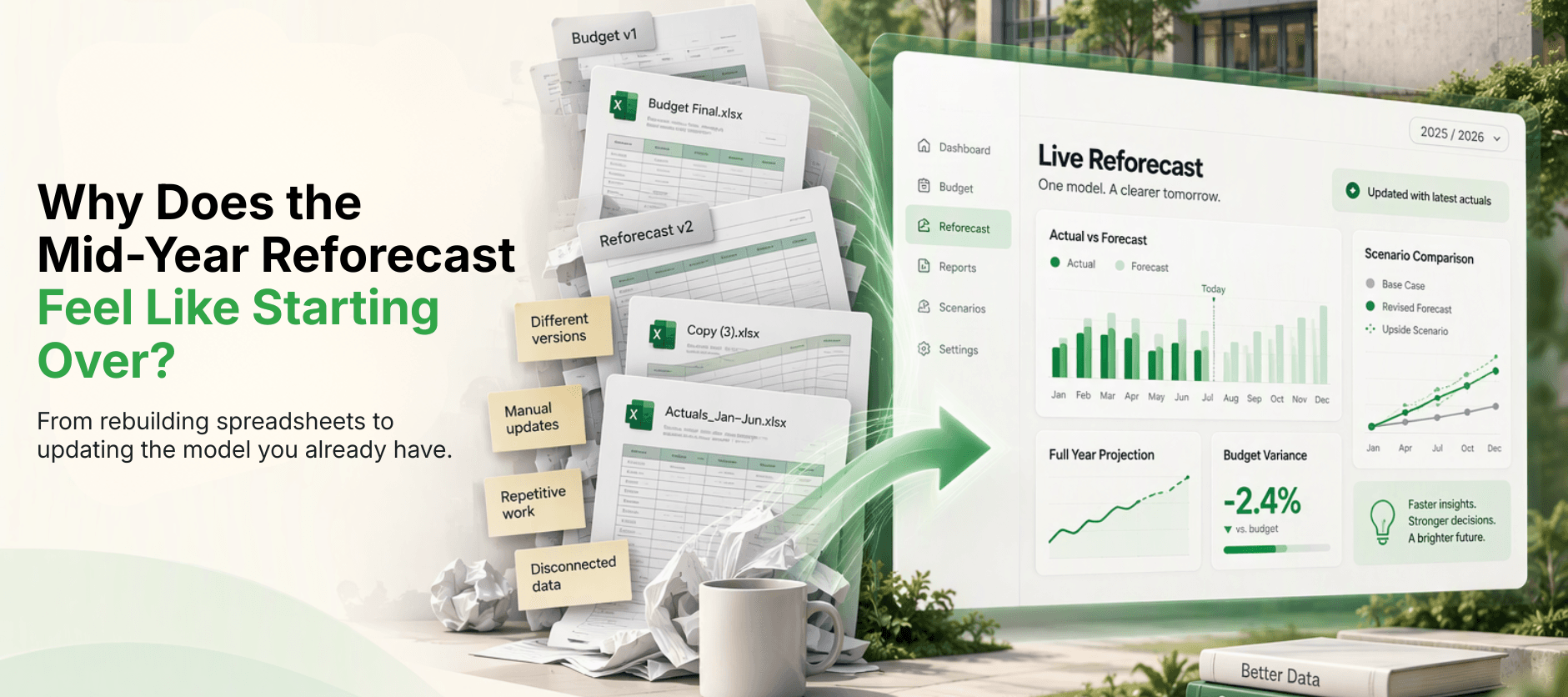
- ERPWhy Does the Mid-Year Reforecast Feel Like Starting the Budget Over Again?
- ERPWhat Does a School Board Actually Ask Before Approving Next Year's Budget?

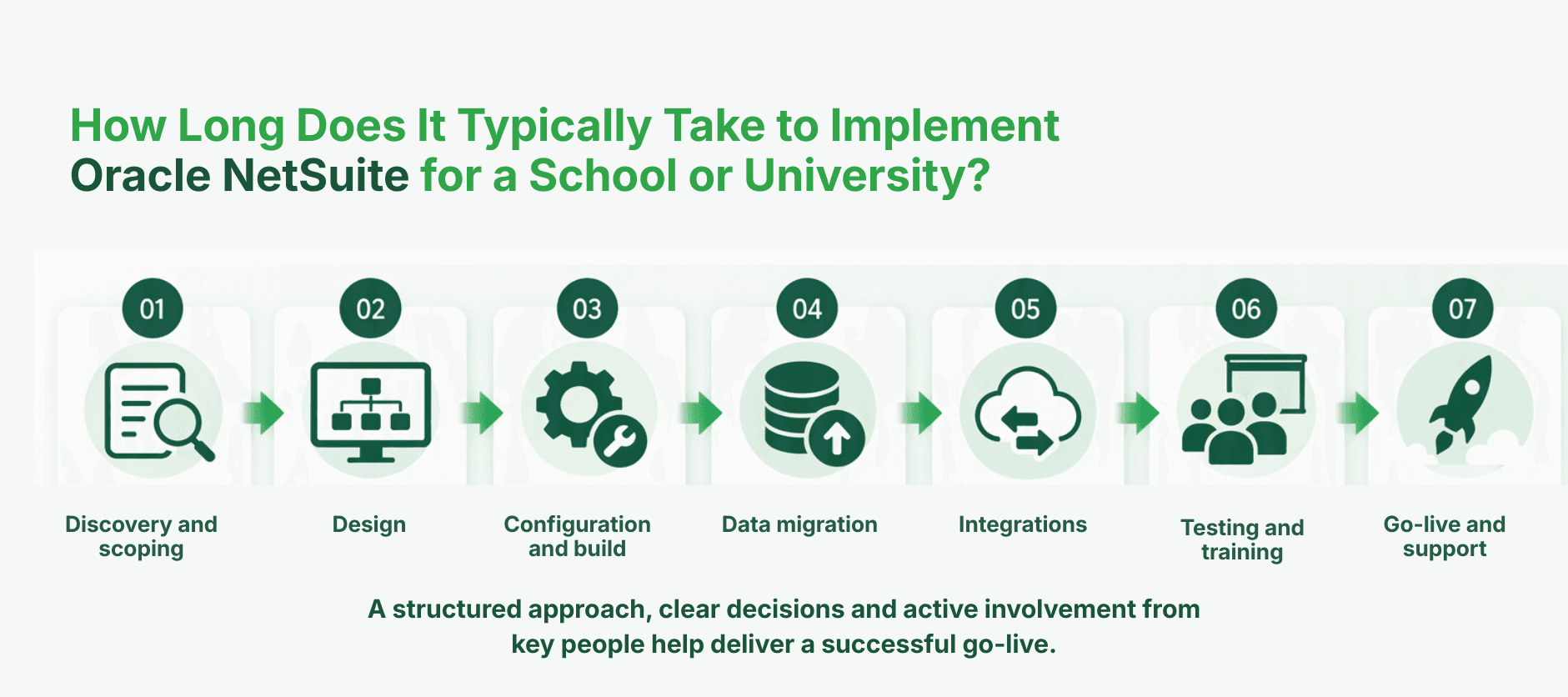
- ERPHow Long Does It Typically Take to Implement Oracle NetSuite for a School or University?
- ERPWhat Is a Finance System, and Does a School or University Actually Need One?
- School BudgetingHow Do Schools Forecast Tuition Revenue? A Practical Guide for Finance Teams
- School BudgetingHow Do Schools Forecast Enrolment and Turn Student Numbers Into a Revenue Plan?
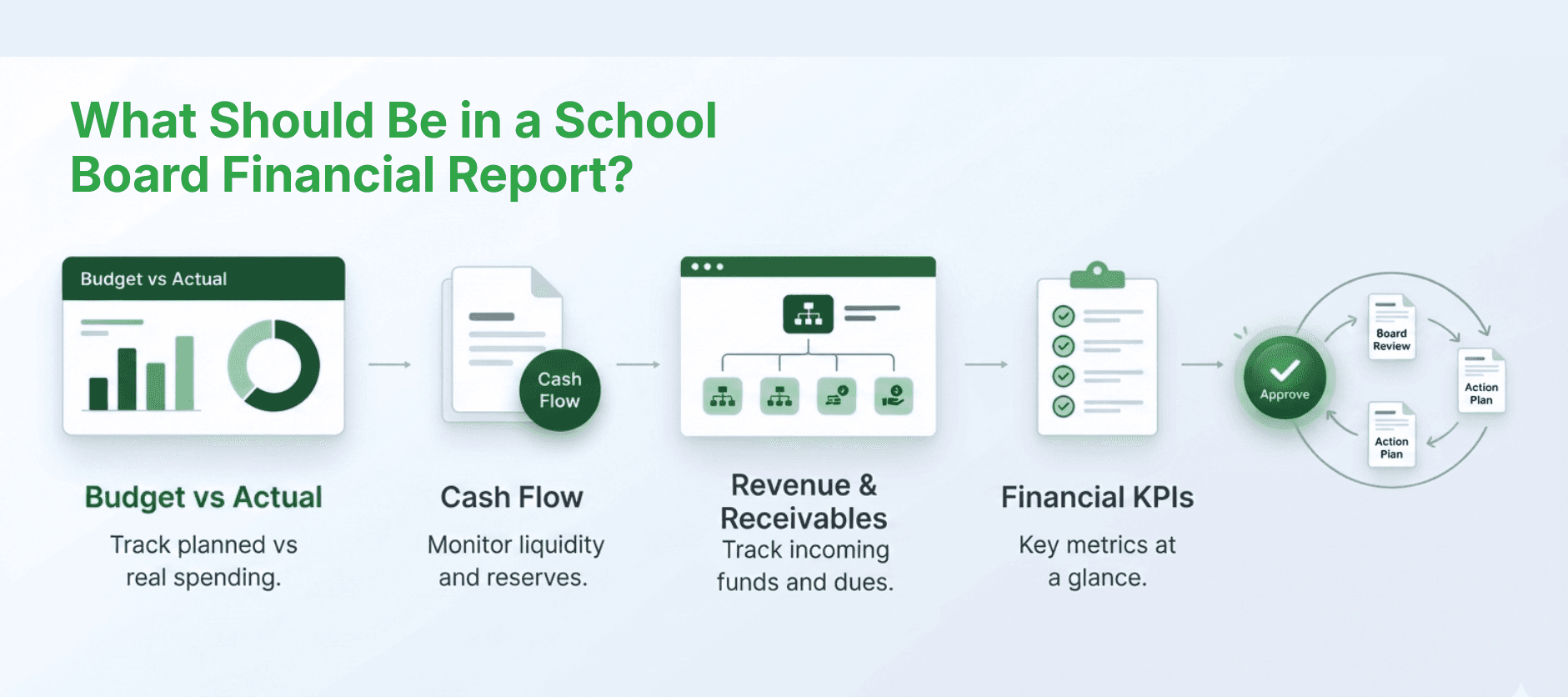
- School BudgetingWhat Should Be in a School Board Financial Report? 7 Reports Finance Teams Should Track